 Deutsch
 Français
 Español

.png.webp?ts=1776773866)
There’s always a moment, somewhere between the last cold morning and that first real warm afternoon, when everything quietly shifts. It’s called the transition to spring. You look out over what was just green, slightly dull, still half-asleep grass… and suddenly it’s alive. Not just green anymore, but dotted with yellow and white dots.
What are we talking about? We’re writing about the small, often forgotten, flowers: Dandelions.
And honestly, what better color to kick off the season than yellow? Bright, energetic, optimistic… just like Hesi ;). It’s like nature is flipping the switch and saying: we’re back!
The sudden appearance: where do they all come from?
One day they’re not there. The next day everywhere.
Dandelions have this almost magical way of appearing overnight. But it’s not magic, it’s strategy.
These plants are masters of survival and timing. They’ve been quietly waiting beneath the surface, building strong taproots underground, storing energy, preparing for the exact right conditions: temperature, daylight and moisture.
And when spring hits that sweet spot, they don’t hesitate. They go all in.
That’s why you don’t just see a few… you see hundreds. Entire fields turning yellow as if someone scattered sunshine across the grass.
From yellow to blowing out wishes: the transformation
First comes the yellow. Bold, open, confident flowers that follow the sun. Literally. Dandelion flowers open during the day and close at night or when the weather turns dull. They’re more responsive than we often realize. That’s a cool survival skill.
Then, something incredible happens.
That bright yellow flower you saw yesterday begins to close in on itself. It looks like it’s done. Like it’s fading. But it’s not dying, it's transforming, similar to a butterfly transformation.
Inside, the flower is reorganizing completely. Each tiny floret becomes a seed, and those seeds develop their own parachute-like structure: the familiar white, fluffy globe we all recognize.
And suddenly, that field of yellow turns into a field of soft, silvery spheres.
.png?ts=1776773733)
Time to do a wish
You know the moment when you see one of those perfect white furry balls. You squad down. You take a breath. You try to blow all the seeds away in one go. Up to today, you might have thought that this was just for fun, pointless. But you’re actually helping nature!
Every time you blow those seeds into the air, you’re helping the plant reproduce. Each tiny seed drifts with the wind, sometimes traveling kilometers away, landing somewhere new where it might grow into another dandelion.
So yes, every childhood memory of blowing dandelions? You were part of a highly efficient, beautifully designed propagation system.
Which came first: the yellow or the seeds?
The short answer: It’s a bit of both, but in sequence. The yellow flower is actually a collection of many tiny flowers grouped together. After pollination (often by insects), each of those tiny flowers turns into a seed. So the yellow comes first, it’s the reproductive stage, and the white puff is the distribution stage.
It’s a full life cycle happening in plain sight, often within just a few days.
.png?ts=1776773713)
What happens after you blow them away?
Once the seeds are gone, the visible part of the plant looks… done. Empty. Finished. But underground, the story continues. This is why you shouldn’t pluck them out of the earth! The root system is still alive and strong. Dandelions have deep taproots that can regenerate new growth again and again. So even if the flower is gone, the plant isn’t. It will produce new leaves, new flowers, and repeat the cycle multiple times in a season. They’re not just persistent, they’re resilient.
Do they really close at night?
Yes, they do. Dandelion flowers open in the morning with sunlight and close in the evening or during cloudy weather. It’s a protective mechanism, helping preserve pollen and maintain energy efficiency. It’s one of those small details that makes you realize: these plants aren’t passive. They’re responsive, adaptive, constantly interacting with their environment. So maybe after reading this, and you bike by a big green field, you stop and appreciate them a little bit more than before.
Where in the world do they grow?
Almost everywhere. Dandelions are native to Europe and Asia, but they’ve spread across the globe. You’ll find them in North America, South America, Australia, and beyond. Lawns, roadsides, fields, cracks in pavement, they’re not picky. Their ability to thrive in different conditions is part of what makes them so successful. They don’t wait for perfect environments. They create opportunity wherever they land.
And what about the daisies?
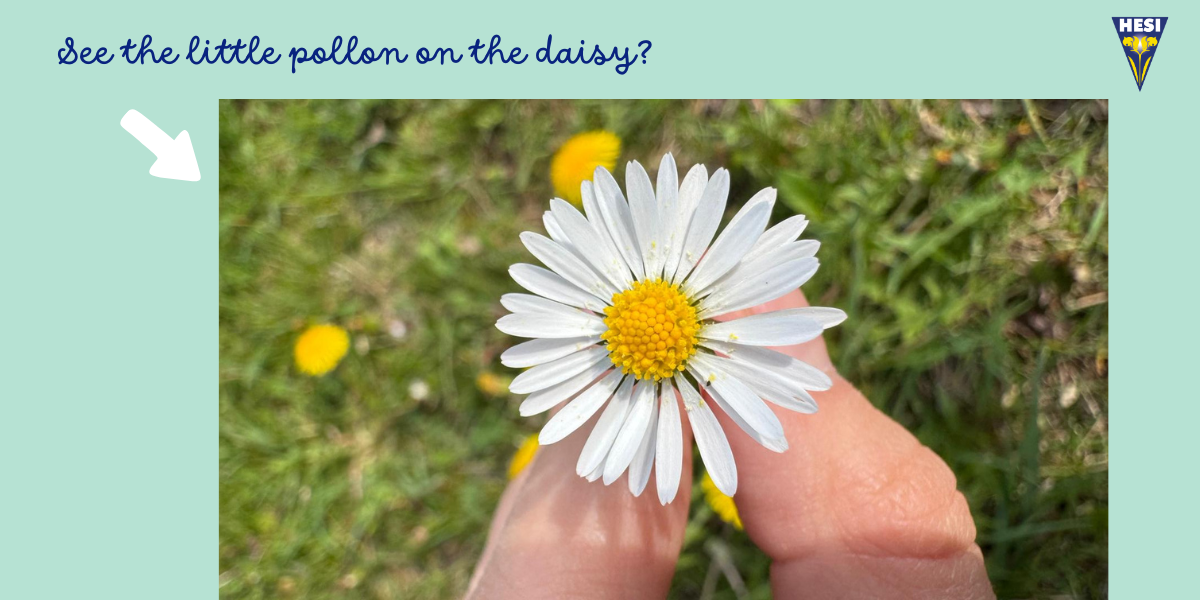
If you look closely at those yellow-filled fields, you’ll often see little white dots scattered in between: daisies. That’s not a coincidence. Daisies and dandelions thrive in similar conditions, open, sunny grasslands with slightly disturbed soil. They’re both early bloomers, taking advantage of the light before taller plants take over later in the season. But there’s also something more subtle happening. Together, they create a more attractive environment for pollinators. The mix of colors and flower shapes draws in a wider variety of insects, which benefits both plants. So when you see them together, it’s not just aesthetic, it’s ecological teamwork.
Lastly, why they matter more than we think
It’s easy to overlook them. To see them as weeds, something to remove. But dandelions are one of the first food sources for bees and other pollinators in early spring. At a time when not much else is blooming, they provide essential nectar and pollen. They’re also indicators, signs that the soil is alive, that the ecosystem is waking up again. So if they are in your green grass, keep them! Enjoy them!